
When an older adult begins pulling back from phone calls, skipping meals with others, or spending most of the day alone, families usually notice a change before they know what to call it. Some may even ask, is Social Engagemiors something they should be concerned about? They may ask, why is social engagement important for Seniors if Mom or Dad seems fine at home? The answer is that social connection is not just a pleasant extra. It is closely tied to emotional health, daily function, confidence, and overall quality of life.
For many seniors and dependent adults, isolation does not happen all at once. It often builds slowly after retirement, the loss of a spouse, limited mobility, memory changes, or no longer driving. What looks like a quieter routine can gradually become loneliness, and loneliness can affect much more than mood. It can make everyday life feel heavier, reduce motivation, and make it harder to stay active and engaged with the world.
Why is social engagement important in daily senior care?
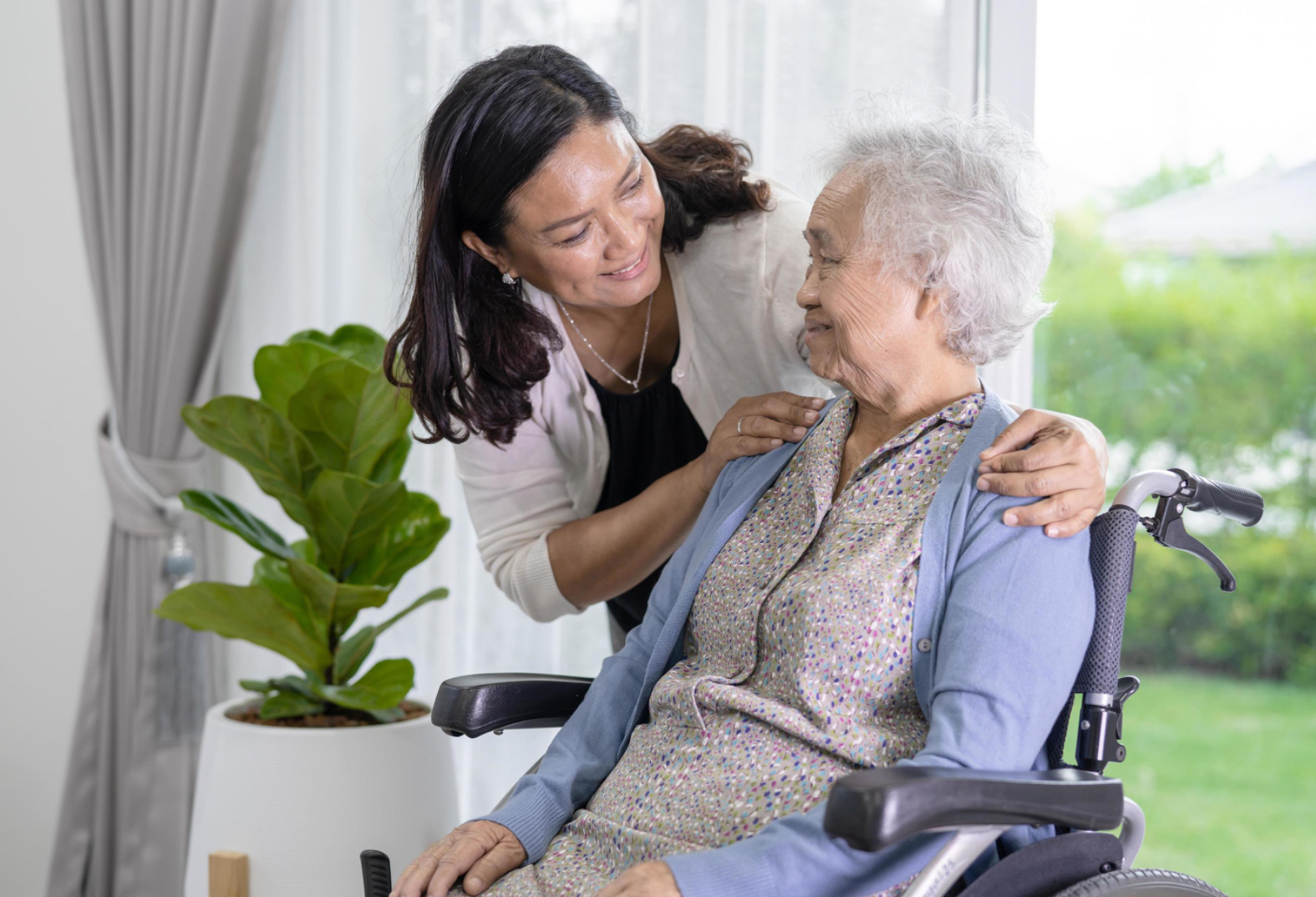
Social engagement helps people feel seen, valued, and connected to life around them. For older adults, that sense of connection can support emotional stability and encourage healthier routines. A conversation over breakfast, a shared activity in the afternoon, or simply having someone who listens with patience can make the day feel more structured and meaningful.
This matters because many aspects of well-being work together. A senior who feels connected may be more likely to eat regularly, move around more, participate in hobbies, and communicate changes in how they are feeling. Someone who feels alone may begin withdrawing from those same routines. Over time, that difference can affect both physical and emotional health.
Families often focus first on practical care needs such as bathing, meals, medication reminders, or supervision. Those needs are very real. But relational care matters too. Emotional support and companionship can strengthen the effectiveness of daily care because people generally respond better when they feel comfortable, respected, and understood.
Social connection supports emotional health
One of the clearest reasons social engagement matters is its effect on mood. Older adults who have regular opportunities for conversation and companionship often show better emotional resilience than those who spend long periods alone. Connection can reduce feelings of sadness, worry, and helplessness, especially after major life changes.
That does not mean every senior wants a busy social calendar. Personality matters. Some people prefer quiet one-on-one interaction over large group settings. Others enjoy routine visits with family, neighbors, or caregivers more than formal activities. The goal is not constant stimulation. It is meaningful human contact that fits the individual.
This is an important distinction for families. A loved one may say they want to be left alone, but that does not always mean solitude is helping them. Sometimes it reflects grief, fatigue, low mood, or embarrassment about needing support. Gentle, respectful engagement can reopen connection without making someone feel pressured.
Why is social engagement important for memory and mental sharpness?
Conversation, shared activities, and social routines encourage the mind to stay active. When seniors interact with others, they are often recalling names, following stories, making decisions, and responding to new information. These moments may seem simple, but they can help support cognitive function over time.
Social engagement is not a cure for memory loss or cognitive decline, and families should be careful not to expect too much from any single approach. Still, regular interaction can help keep the brain involved in daily life. For adults living with early memory challenges, familiar social routines may also reduce confusion and create a greater sense of security.
The best kinds of engagement depend on the person. For one adult, it may be playing cards and talking about grandchildren. For another, it may be folding laundry with a caregiver while discussing the day. What matters is not whether the activity looks impressive. What matters is whether it encourages presence, recognition, and participation.
Social engagement can improve safety and routine
Families do not always connect social engagement with safety, but the two are closely related. A person who stays connected is more likely to express discomfort, mention a fall risk, report appetite changes, or show when something feels off. Isolation can hide problems for longer than anyone realizes.
Regular interaction also supports structure. Seniors who engage with others often have more reason to get dressed, eat on time, move from room to room, and maintain a healthier sleep-wake pattern. Those routines are not minor details. They help preserve dignity and independence.
There is also the issue of observation. A trusted companion or caregiver may notice subtle changes that family members miss during short visits, such as increased confusion, low energy, irritability, or withdrawal from favorite activities. Early awareness makes it easier to adjust support before a small concern becomes a larger one.
The impact on dignity and sense of purpose
Adults do not stop needing purpose because they need help. In fact, the need to feel respected and included often becomes even more important when health or mobility changes begin limiting independence. Social engagement reminds seniors that they still have a voice, preferences, stories, and a role within the family and community.
Purpose can come from very ordinary moments. Asking for input on a meal, inviting someone to help sort photos, or making space for them to share memories can reinforce identity and self-worth. These interactions tell a person, clearly and consistently, that they still matter.
When social needs are overlooked, care can become too task-focused. Meals get served, appointments get managed, and the day runs on schedule, but something essential is still missing. People need more than assistance. They need connection that protects dignity and preserves a sense of self.
What social engagement looks like in real life
For many families, the challenge is not understanding the value of connection. It is figuring out what is realistic. Work schedules, distance, and caregiver fatigue can make regular engagement difficult, even when everyone has the best intentions.
The good news is that social engagement does not need to be elaborate to be effective. It can look like shared meals, short walks, simple games, music, faith-based routines, conversation during grooming or meal prep, or regular check-ins with a dependable caregiver. Consistency often matters more than variety.
It also helps to match engagement to the person’s energy, health, and comfort level. A crowded event may be overstimulating for one senior and joyful for another. Someone with limited mobility may still benefit deeply from face-to-face companionship and a calm daily routine. The right approach is personal, not one-size-fits-all.
Why families should not carry this alone
Family caregivers often feel pressure to meet every need themselves. They want to be present, attentive, and dependable, but caregiving is demanding. When social engagement becomes one more responsibility on top of medication schedules, work obligations, and household management, families can feel stretched thin.
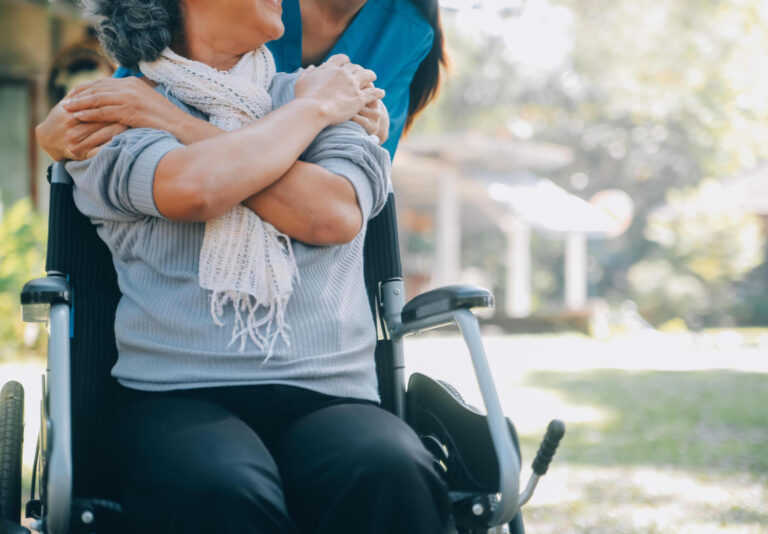
That is where dependable support can make a meaningful difference. Professional care is not only about supervision and assistance with daily tasks. It can also provide steady companionship, conversation, encouragement, and structure throughout the day. This kind of support can ease isolation for the client while reducing stress for the family.
At Magnolia Adult Care, that relational side of care matters because quality of life is shaped by more than tasks on a checklist. Warm, respectful engagement helps clients feel more comfortable and helps families feel reassured that their loved one is not just being looked after, but truly cared for.
When to pay closer attention
If a loved one has become less interested in talking, stopped participating in familiar routines, or seems increasingly withdrawn, it is worth looking beyond the surface. Sometimes the issue is grief. Sometimes it is fear, depression, hearing loss, mobility limitations, or the simple reality that being alone too often changes a person’s outlook.
Social engagement for seniors is important because it helps protect the parts of life that make care feel human: connection, belonging, confidence, and comfort. Not every day will be energetic, and not every senior will want the same kind of interaction. But steady, thoughtful connection can make home life safer, warmer, and more sustaining for everyone involved.
If you are arranging care for a parent, spouse, or dependent adult, remember that companionship is not separate from good care. In many cases, it is one of the clearest signs of it.